La soledad que habito [Esp/Eng]
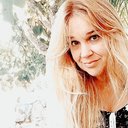

Acudo al llamado de esta bella comunidad justamente ahora cuando nos convocan a hablar de la soledad. Siempre he creído que para hablar de algo hay que haberlo vivido, y yo no puedo hablar de la soledad que es un abismo, de la que llega con el vacío o con el eco de un portazo definitivo. Esa no es la soledad que he experimentado.
Mi soledad tiene ese roce del sofá compartido donde mi hija de doce años despliega sus cuadernos y sus dramas adolescentes, y huele a lápiz labial nuevo y a merienda de pan con croqueta. Quizás suena a las preguntas infinitas que estallan en el silencio: “Mami, ¿esto es normal?”. En mi casa la soledad no es geográfica; más bien yo podría describirla como un estado que se halla en los intersticios de una compañía absoluta.

Soy madre soltera, cubana y neuróloga pediatra, tres identidades que en esta isla parecen contradecir la posibilidad misma del aislamiento. Mi familia no es numerosa, pero es un nudo fuerte donde mi hija es mi centro gravitacional. Jamás he “vivido sola” en el sentido físico puro, y sin embargo, sí conozco la soledad.
Desde la ciencia que estudié sé que el cerebro humano es un órgano social, y lo veo en los bebés que buscan el rostro de la madre antes que cualquier otro estímulo. Además, se evidencia en las conexiones sinápticas que se fortalecen con el arrullo, con el juego, con la seguridad de un abrazo.
Por su parte, cuando aparece la soledad en mis pequeños pacientes, esto se traduce en cortisol elevado, en amígdalas hiperreactivas al miedo y grandes dificultades para la regulación emocional, por lo que la soledad podría considerarse una toxina para el cerebro en desarrollo. Quizás por eso, cuando escucho discursos que romantizan la soledad como un lujo intelectual, siento que no es del todo así. No veo a la soledad como algo simple; es un fenómeno complejo y que no se puede analizar a la ligera.

Mi soledad, la que habito y reconozco, es otra: es funcional y necesaria. Es esa de las dos de la madrugada, cuando desempaco los duelos de mi día; o la soledad de mi consultorio, justo después de que se va la última madre preocupada y queda el fantasma del llanto, el olor a ansiedad y yo. En esos instantes, la soledad es ese gran vaso donde se funden la médica y la mujer, y donde la cubana se encuentra a solas con su propia brújula moral, mientras se pregunta si hice lo suficiente o si dije las palabras correctas.

No veo a la soledad como un lamento; jamás la identifico con tristeza. Y por supuesto, sé que coincidirán conmigo en que, en una cultura como la nuestra, donde ser mujer sola todavía carga con miradas curiosas y preguntas veladas, reclamar estos momentos de fuga interna es un acto revolucionario. De alguna forma, ya sea consciente o no, me niego a ser absorbida por completo por los roles clásicos.
Al final, esta charla o mi disertación sobre la soledad no es sobre la falta, sino sobre el contorno. No me refiero al espacio yermo, sino al claro en el bosque, donde se mira más el espacio que deja respirar a todo lo demás.

Y ahora pienso que, quizás por no haber conocido la soledad por defecto, he tenido que inventármela por necesidad: como una soledad a medida, en el tiempo prestado de la madrugada, en la pausa de mi café matutino, en la mirada a las calles adoquinadas de esta ciudad que me vio nacer. Una soledad, breve y robada, que me empeño en guardarme para mí.

✨¡𝑮𝒓𝒂𝒄𝒊𝒂𝒔 𝒑𝒐𝒓 𝒍𝒆𝒆𝒓! ✨
𝑺𝒊 𝒂ú𝒏 𝒏𝒐 𝒎𝒆 𝒄𝒐𝒏𝒐𝒄𝒆𝒔: 𝒔𝒐𝒚 𝒏𝒆𝒖𝒓ó𝒍𝒐𝒈𝒂 𝒚 𝒆𝒔𝒄𝒓𝒊𝒕𝒐𝒓𝒂 𝒄𝒖𝒃𝒂𝒏𝒂, 𝒎𝒂𝒅𝒓𝒆, 𝒎𝒖𝒋𝒆𝒓 𝒚 𝒔𝒐ñ𝒂𝒅𝒐𝒓𝒂 𝒒𝒖𝒆 𝒆𝒏𝒄𝒐𝒏𝒕𝒓ó 𝒆𝒏 𝑯𝒊𝒗𝒆 𝒖𝒏 𝒉𝒆𝒓𝒎𝒐𝒔𝒐 𝒆𝒔𝒑𝒂𝒄𝒊𝒐 𝒑𝒂𝒓𝒂 𝒗𝒐𝒍𝒂𝒓.
𝑬𝒍 𝒕𝒆𝒙𝒕𝒐 𝒚 𝒍𝒂𝒔 𝒊𝒎á𝒈𝒆𝒏𝒆𝒔 𝒔𝒐𝒏 𝒅𝒆 𝒎𝒊 𝒂𝒖𝒕𝒐𝒓í𝒂, 100% 𝒉𝒖𝒎𝒂𝒏𝒐𝒔 (𝒔𝒊𝒏 𝑰𝑨).
𝑩𝒂𝒏𝒏𝒆𝒓 𝒅𝒊𝒔𝒆ñ𝒂𝒅𝒐 𝒑𝒐𝒓 𝑳𝒖𝒎𝒊𝒊.
¿𝑻𝒆 𝒈𝒖𝒔𝒕ó 𝒆𝒔𝒕𝒂 𝒑𝒖𝒃𝒍𝒊𝒄𝒂𝒄𝒊ó𝒏? 𝑽𝒐𝒕𝒂, 𝒄𝒐𝒎𝒆𝒏𝒕𝒂 𝒐 𝒓𝒆𝒃𝒍𝒐𝒈𝒖𝒆𝒂 𝒑𝒂𝒓𝒂 𝒂𝒚𝒖𝒅𝒂𝒓 𝒂 𝒅𝒆𝒔𝒑𝒍𝒆𝒈𝒂𝒓 𝒆𝒔𝒕𝒂𝒔 𝒂𝒍𝒂𝒔.💛

ENGLISH VERSION
The Solitude I Inhabit

I heed the call of this beautiful community right now when we are summoned to speak of solitude. I have always believed that to speak of something, one must have lived it, and I cannot speak of the solitude that is an abyss, of the one that arrives with emptiness or with the echo of a definitive slamming door. That is not the solitude I have experienced.
My solitude has the feel of the shared sofa where my twelve-year-old daughter spreads out her notebooks and her adolescent dramas, and it smells of new lipstick and a snack of bread with croquette. Perhaps it sounds like the infinite questions that erupt in the silence: "Mommy, is this normal?" In my home, solitude is not geographical; rather, I could describe it as a state that resides in the interstices of absolute company.
I am a single mother, Cuban, and a pediatric neurologist, three identities that on this island seem to contradict the very possibility of isolation. My family is not large, but it is a strong knot where my daughter is my gravitational center. I have never "lived alone" in the pure, physical sense, and yet, I do know solitude.
From the science I studied, I know that the human brain is a social organ, and I see it in the infants who seek their mother's face before any other stimulus. Furthermore, it is evidenced in the synaptic connections that strengthen with lullabies, with play, with the security of a hug.
On the other hand, when solitude appears in my young patients, it translates into elevated cortisol, into amygdalae hyperreactive to fear, and great difficulties with emotional regulation, which is why solitude could be considered a toxin for the developing brain. Perhaps that is why, when I hear speeches that romanticize solitude as an intellectual luxury, I feel it is not quite like that. I do not see solitude as something simple; it is a complex phenomenon that cannot be analyzed lightly.
My solitude, the one I inhabit and recognize, is different: it is functional and necessary. It is the one at two in the morning, when I unpack the griefs of my day; or the solitude of my office, right after the last worried mother leaves and the ghost of crying, the smell of anxiety, and I remain. In those moments, solitude is that great vessel where the doctor and the woman melt together, and where the Cuban woman finds herself alone with her own moral compass, while wondering if I did enough or if I said the right words.
I do not see solitude as a lament; I never identify it with sadness. And of course, I know you will agree with me that in a culture like ours, where being a single woman still carries curious glances and veiled questions, claiming these moments of internal escape is a revolutionary act. In some way, whether conscious or not, I refuse to be completely absorbed by classic roles.
In the end, this talk or my dissertation on solitude is not about the absence, but about the contour. I am not referring to the barren space, but to the clearing in the forest, where one notices more the space that allows everything else to breathe.
And now I think that perhaps, because I have not known solitude by default, I have had to invent it out of necessity: a tailored solitude, in the borrowed time of the early morning, in the pause of my morning coffee, in the gaze at the cobblestone streets of this city that saw me born. A solitude, brief and stolen, that I insist on keeping for myself.

✨𝑻𝒉𝒂𝒏𝒌𝒔 𝒇𝒐𝒓 𝒓𝒆𝒂𝒅𝒊𝒏𝒈! ✨
𝑰𝒇 𝒚𝒐𝒖 𝒅𝒐𝒏’𝒕 𝒌𝒏𝒐𝒘 𝒎𝒆 𝒚𝒆𝒕. 𝑰’𝒎 𝒂 𝑪𝒖𝒃𝒂𝒏 𝒏𝒆𝒖𝒓𝒐𝒍𝒐𝒈𝒊𝒔𝒕 𝒂𝒏𝒅 𝒘𝒓𝒊𝒕𝒆𝒓, 𝒂 𝒎𝒐𝒕𝒉𝒆𝒓, 𝒂 𝒘𝒐𝒎𝒂𝒏, 𝒂𝒏𝒅 𝒂 𝒅𝒓𝒆𝒂𝒎𝒆𝒓 𝒘𝒉𝒐’𝒔 𝒇𝒐𝒖𝒏𝒅 𝒊𝒏 𝑯𝒊𝒗𝒆 𝒂 𝒃𝒆𝒂𝒖𝒕𝒊𝒇𝒖𝒍 𝒔𝒑𝒂𝒄𝒆 𝒕𝒐 𝒔𝒐𝒂𝒓.
𝑨𝒍𝒍 𝒕𝒆𝒙𝒕 𝒂𝒏𝒅 𝒊𝒎𝒂𝒈𝒆𝒔 𝒂𝒓𝒆 𝒎𝒚 𝒐𝒓𝒊𝒈𝒊𝒏𝒂𝒍 𝒄𝒓𝒆𝒂𝒕𝒊𝒐𝒏𝒔, 100% 𝒉𝒖𝒎𝒂𝒏-𝒎𝒂𝒅𝒆 (𝒏𝒐 𝑨𝑰).
𝑩𝒂𝒏𝒏𝒆𝒓 𝒅𝒆𝒔𝒊𝒈𝒏𝒆𝒅 𝒃𝒚 𝑳𝒖𝒎𝒊𝒊.
𝑳𝒐𝒗𝒆𝒅 𝒕𝒉𝒊𝒔 𝒑𝒐𝒔𝒕? 𝑼𝒑𝒗𝒐𝒕𝒆, 𝒄𝒐𝒎𝒎𝒆𝒏𝒕, 𝒐𝒓 𝒓𝒆𝒃𝒍𝒐𝒈 𝒕𝒐 𝒔𝒑𝒓𝒆𝒂𝒅 𝒕𝒉𝒆 𝒘𝒊𝒏𝒈𝒔 𝒐𝒇 𝒄𝒓𝒆𝒂𝒕𝒊𝒗𝒊𝒕𝒚! 💛
You received an upvote ecency
Que bonita reflexión sobre la soledad que has elegido, no es una no deseada, es una que tienes por conciencia y deseo de tenerla, y hablas de la soledad que deja tu último paciente, ya que eres una doctora empática, que se pone en los zapatos del otro, en esa soledad que muchos sentimos cuando los pensamientos no nos dejan dormir, porque revoloteando en nuestra mente. Siempre es grato leerte @neuropoeta. Bendiciones 🙏🏼🙏🏼🙏🏼