La felicidad dentro de nuestro cerebro ~ Bitácora de una Neuróloga [Esp/Eng]


Es el último día del año y, mientras reviso mis mensajes y veo algunas luces centelleantes en la calle, siento que hoy necesito hablar de eso que todos perseguimos y que, curiosamente, nuestro cerebro no está programado para tener de manera constante: la felicidad.
Estoy segura de que la felicidad no es un lugar, sino una dirección que debemos seguir; y no como un estado perpetuo, sino como esos destellos que iluminan nuestra red neuronal, dejando una estela que puede definirnos.
Antes de ser neuróloga, pienso como mujer, como ser humano, y como tal siempre pensé que la felicidad era una meta, como terminar la carrera, encontrar el amor o lograr un éxito. Pero nuestro cerebro, sabio y ancestral, no funciona así. La larga carrera de la evolución nos diseñó para sobrevivir y no para ser felices para siempre y, por lo tanto, nuestro cerebro está siempre alerta, escaneando amenazas, por lo que ese estado de felicidad constante no haría más que relajarnos y entonces no sobreviviríamos.

Entonces, seguramente se preguntará en qué sitio del cerebro descansa esa sensación que da la felicidad. Pues la respuesta es algo parecido a una sopa química muy delicada y a conexiones interconectadas.
Cuando algo bueno ocurre, ya sea un abrazo, una risa compartida o un logro, se activan áreas profundas como el núcleo accumbens y se liberan neurotransmisores. Ahí entra en el baile la dopamina, como la mensajera de las recompensas, la que también nos da ilusión, y luego llega la serotonina, que es la responsable de la calma y el bienestar profundo.
Y, claro, la oxitocina es como la reina de la felicidad, el neurotransmisor de los vínculos, que va de la mano con las endorfinas que mitigan el dolor y nos dan esa euforia responsable de las sonrisas. Pero ojo, porque no son cápsulas de felicidad eterna, solo son picos, chispazos.
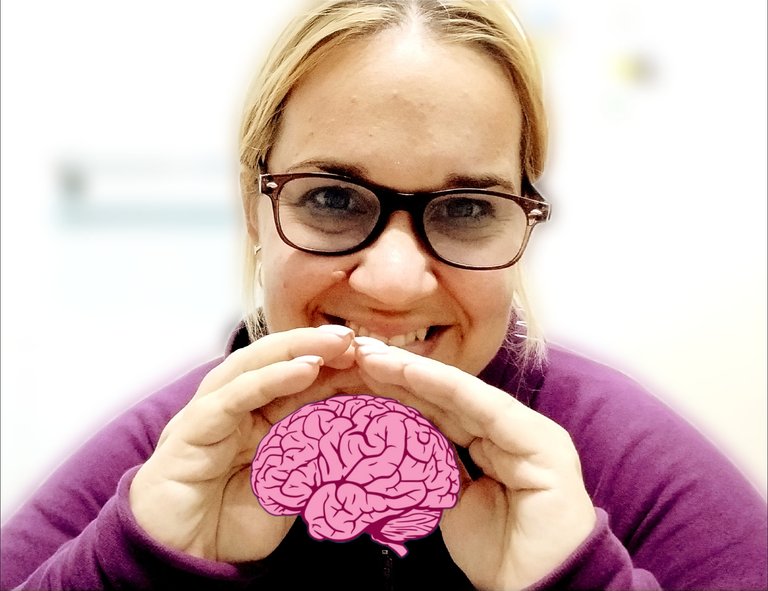
Cada experiencia positiva y cada instante de plenitud modifican físicamente el cerebro, y las neuronas se activan juntas y se conectan fuertemente. Y hay algo muy curioso: cuando se cultivan momentos de calma y seguridad, se fortalecen circuitos neuronales y, en ese sentido, la felicidad se convierte en un hábito neuronal.
Y algo que suena a poesía, pero es neurociencia, es que la gratitud no es solo una virtud, sino un ejercicio neural poderoso, porque cuando reconoces y valoras lo bueno, activas la corteza prefrontal y activas un circuito que nos hace resilientes y un poco más cerca de ese estado que llamamos felicidad.

Somos seres sociales, por lo que nuestro cerebro está cableado para estar conectados, y los vínculos, las risas y la sensación de pertenecer activan también sistemas de recompensa y calma, como los que ya describí.
Ya habrán notado que no hay fórmulas mágicas para la felicidad, pero siempre hay cosas que me gusta recomendar, y es que se deben perseguir significados y jamás placeres, permitirse el aquí y el ahora, cultivar los pequeños asombros, como un atardecer o una melodía, y conectar siempre con los que amamos y nos aman.

Esta noche estaremos brindando y nuestros cerebros estarán llenos de químicas y conexiones, como las luces de nuestros arbolitos, y solo tendré yo el deseo de que este nuevo año nos encuentre no solo buscando la felicidad, sino construyéndola… y si es aquí en HIVE, pues mejor.
¡Feliz Año Nuevo!
¡Hasta la próxima bitácora!

✨¡𝑮𝒓𝒂𝒄𝒊𝒂𝒔 𝒑𝒐𝒓 𝒍𝒆𝒆𝒓! ✨
𝑺𝒊 𝒂ú𝒏 𝒏𝒐 𝒎𝒆 𝒄𝒐𝒏𝒐𝒄𝒆𝒔: 𝒔𝒐𝒚 𝒏𝒆𝒖𝒓ó𝒍𝒐𝒈𝒂 𝒚 𝒆𝒔𝒄𝒓𝒊𝒕𝒐𝒓𝒂 𝒄𝒖𝒃𝒂𝒏𝒂, 𝒎𝒂𝒅𝒓𝒆, 𝒎𝒖𝒋𝒆𝒓 𝒚 𝒔𝒐ñ𝒂𝒅𝒐𝒓𝒂 𝒒𝒖𝒆 𝒆𝒏𝒄𝒐𝒏𝒕𝒓ó 𝒆𝒏 𝑯𝒊𝒗𝒆 𝒖𝒏 𝒉𝒆𝒓𝒎𝒐𝒔𝒐 𝒆𝒔𝒑𝒂𝒄𝒊𝒐 𝒑𝒂𝒓𝒂 𝒗𝒐𝒍𝒂𝒓.
𝑬𝒍 𝒕𝒆𝒙𝒕𝒐 𝒚 𝒍𝒂𝒔 𝒊𝒎á𝒈𝒆𝒏𝒆𝒔 𝒔𝒐𝒏 𝒅𝒆 𝒎𝒊 𝒂𝒖𝒕𝒐𝒓í𝒂, 100% 𝒉𝒖𝒎𝒂𝒏𝒐𝒔 (𝒔𝒊𝒏 𝑰𝑨).
𝑩𝒂𝒏𝒏𝒆𝒓 𝒅𝒊𝒔𝒆ñ𝒂𝒅𝒐 𝒑𝒐𝒓 𝑳𝒖𝒎𝒊𝒊.
¿𝑻𝒆 𝒈𝒖𝒔𝒕ó 𝒆𝒔𝒕𝒂 𝒑𝒖𝒃𝒍𝒊𝒄𝒂𝒄𝒊ó𝒏? 𝑽𝒐𝒕𝒂, 𝒄𝒐𝒎𝒆𝒏𝒕𝒂 𝒐 𝒓𝒆𝒃𝒍𝒐𝒈𝒖𝒆𝒂 𝒑𝒂𝒓𝒂 𝒂𝒚𝒖𝒅𝒂𝒓 𝒂 𝒅𝒆𝒔𝒑𝒍𝒆𝒈𝒂𝒓 𝒆𝒔𝒕𝒂𝒔 𝒂𝒍𝒂𝒔.💛

ENGLISH VERSION
Happiness Inside Our Brain ~ A Neurologist's Log

It is the last day of the year, and as I review my messages and see some twinkling lights on the street, I feel that today I need to talk about that which we all pursue and which, curiously, our brain is not programmed to have constantly: happiness.
I am sure that happiness is not a place, but a direction we must follow; and not as a perpetual state, but as those flashes that illuminate our neural network, leaving a trail that can define us.
Before being a neurologist, I think as a woman, as a human being, and as such I always thought that happiness was a goal, like finishing a degree, finding love, or achieving success. But our wise and ancestral brain does not work that way. The long course of evolution designed us to survive and not to be happy forever, and therefore our brain is always alert, scanning for threats, so that constant state of happiness would do nothing but relax us, and then we would not survive.
So, you may wonder in which part of the brain that feeling of happiness resides. Well, the answer is something like a very delicate chemical soup and interconnected connections.
When something good happens, be it a hug, shared laughter, or an achievement, deep areas like the nucleus accumbens are activated and neurotransmitters are released. Here enters the dance of dopamine as the messenger of rewards, the one that also gives us hope, and then comes serotonin, which is responsible for calm and deep well-being.
And, of course, oxytocin is like the queen of happiness, the neurotransmitter of bonds, which goes hand in hand with endorphins that mitigate pain and give us that euphoria responsible for smiles. But beware, because they are not capsules of eternal happiness, they are only peaks, sparks.
Each positive experience and each moment of fulfillment physically modifies the brain, and neurons activate together and connect strongly. And there is something very curious: when moments of calm and security are cultivated, neural circuits are strengthened, and in that sense, happiness becomes a neural habit.
And something that sounds like poetry, but is neuroscience, is that gratitude is not only a virtue, but a powerful neural exercise, because when you recognize and appreciate what is good, you activate the prefrontal cortex and activate a circuit that makes us resilient and a little closer to that state we call happiness.
We are social beings, so our brain is wired to be connected, and bonds, laughter, and the feeling of belonging also activate reward and calm systems, like the ones I already described.
You may have noticed that there are no magic formulas for happiness, but there are always things I like to recommend, and that is to pursue meaning and never pleasures, allow yourself the here and now, cultivate small wonders like a sunset or a melody, and always connect with those we love and who love us.
Tonight we will be toasting and our brains will be full of chemicals and connections, like the lights on our little trees, and I will only have the wish that this new year finds us not only seeking happiness, but building it… and if it is here on HIVE, well, even better.
Happy New Year!
Until the next log!

✨𝑻𝒉𝒂𝒏𝒌𝒔 𝒇𝒐𝒓 𝒓𝒆𝒂𝒅𝒊𝒏𝒈! ✨
𝑰𝒇 𝒚𝒐𝒖 𝒅𝒐𝒏’𝒕 𝒌𝒏𝒐𝒘 𝒎𝒆 𝒚𝒆𝒕. 𝑰’𝒎 𝒂 𝑪𝒖𝒃𝒂𝒏 𝒏𝒆𝒖𝒓𝒐𝒍𝒐𝒈𝒊𝒔𝒕 𝒂𝒏𝒅 𝒘𝒓𝒊𝒕𝒆𝒓, 𝒂 𝒎𝒐𝒕𝒉𝒆𝒓, 𝒂 𝒘𝒐𝒎𝒂𝒏, 𝒂𝒏𝒅 𝒂 𝒅𝒓𝒆𝒂𝒎𝒆𝒓 𝒘𝒉𝒐’𝒔 𝒇𝒐𝒖𝒏𝒅 𝒊𝒏 𝑯𝒊𝒗𝒆 𝒂 𝒃𝒆𝒂𝒖𝒕𝒊𝒇𝒖𝒍 𝒔𝒑𝒂𝒄𝒆 𝒕𝒐 𝒔𝒐𝒂𝒓.
𝑨𝒍𝒍 𝒕𝒆𝒙𝒕 𝒂𝒏𝒅 𝒊𝒎𝒂𝒈𝒆𝒔 𝒂𝒓𝒆 𝒎𝒚 𝒐𝒓𝒊𝒈𝒊𝒏𝒂𝒍 𝒄𝒓𝒆𝒂𝒕𝒊𝒐𝒏𝒔, 100% 𝒉𝒖𝒎𝒂𝒏-𝒎𝒂𝒅𝒆 (𝒏𝒐 𝑨𝑰).
𝑩𝒂𝒏𝒏𝒆𝒓 𝒅𝒆𝒔𝒊𝒈𝒏𝒆𝒅 𝒃𝒚 𝑳𝒖𝒎𝒊𝒊.
𝑳𝒐𝒗𝒆𝒅 𝒕𝒉𝒊𝒔 𝒑𝒐𝒔𝒕? 𝑼𝒑𝒗𝒐𝒕𝒆, 𝒄𝒐𝒎𝒎𝒆𝒏𝒕, 𝒐𝒓 𝒓𝒆𝒃𝒍𝒐𝒈 𝒕𝒐 𝒔𝒑𝒓𝒆𝒂𝒅 𝒕𝒉𝒆 𝒘𝒊𝒏𝒈𝒔 𝒐𝒇 𝒄𝒓𝒆𝒂𝒕𝒊𝒗𝒊𝒕𝒚! 💛
Muchísimas felicidades en este nuevo año. En el 2026 seguimos esperando tu palabra firme y resistente, en Hive. Gracias por todo lo que ofreces a diario.
Felicidades a ti, amiga.
Un mar
Congratulations @neuropoeta! You have completed the following achievement on the Hive blockchain And have been rewarded with New badge(s)
You can view your badges on your board and compare yourself to others in the Ranking
If you no longer want to receive notifications, reply to this comment with the word
STOPCheck out our last posts:
A pollinator from The Pollen Nation feels this post deserves extra attention!
We appreciate your contribution to the blockchain.
For more information or to reach out to us, join our Discord server!