Gran pluma
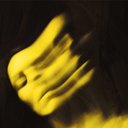
This is my second time doing anthotype, only now I have devoted entire weeks to this technique, whereas last time I only made a few pieces.
According to Wikipedia:
"An anthotype is an image created using photosensitive plant material. This process was invented by John Herschel in 1842. An emulsion is made from crushed flower petals or any other photosensitive plant, fruit or vegetable. A sheet of paper is covered with the emulsion. Once the paper is dry, some object, for example leaves or a transparent photo (a negative to positivize it) is placed on the paper and exposed to the sun until the part not covered by the material is bleached by the sun's rays. In the covered areas the color is preserved (more or less depending on how the material prevents light from passing through it) and the paper remains sensitive against such rays."
I have been testing/making pigments with different plants from the garden and, of course, I have used turmeric a lot because I have it on hand and it only needs a few hours of light. I have used different types and sizes of paper and have captured/photographed plants from the garden and feathers.
Here I share the latest one I have scanned and the largest one I have made so far. I found this peacock feather (it is not one of the showy, colorful ones; this one is brown) while walking through the garden and decided to record it in an anthotype, even though the paper did not even fit in the scanner :D.
(In addition to the peacock feather, I added a square of paper so that I could perhaps write something there later.)


Turmeric anthotype
Details


Cheers! Bárbara Bezina ♥
canva / twitter / blog / makersplace / Objkt / nftshowroom